Let me address the elephant in the room: French Bulldogs have a reputation for being lazy, snoring lumps who’d rather nap than exercise.
This is partially true, but also wildly misleading.
Yes, Buster would happily spend 23 hours a day asleep given the option. Yes, Jago treats long walks like some sort of personal affront. But that doesn’t mean they don’t need proper exercise—it just means their requirements are different from, say, a Border Collie who’d run marathons given half the chance.
The internet is awash with conflicting advice. Some sources say “20 minutes daily.” Others insist “60 minutes minimum.” Breeders say one thing, vets say another, and meanwhile, your Frenchie is looking at you expectantly with those enormous bat ears, and you’ve no idea if you’re under-exercising them into obesity or over-exercising them into heatstroke.
Let me clear this up using actual experience, veterinary guidance, and what genuinely works with Buster and Jago.
The Short Answer (For Those in a Hurry)
Adult French Bulldogs need:
- 30-45 minutes of exercise daily
- Split across 2-3 shorter walks (not one long slog)
- Additional mental stimulation (training, play, puzzle toys)
- Adjustments for weather, age, and individual health
Puppies need:
- Much less than you think
- 5 minutes per month of age, twice daily (e.g., 3-month-old = 15 minutes, twice a day)
- Lots of rest between activity
Senior Frenchies (7+ years):
- Similar duration but slower pace
- More frequent short walks rather than longer ones
- Adjusted for mobility issues
Right. Now let’s unpack this properly.
Why French Bulldogs Are “Special” (Euphemism for Complicated)
French Bulldogs aren’t built for endurance. They’re brachycephalic (flat-faced), which fundamentally affects their exercise capacity.
The anatomical reality:
1. Compromised Airways
That adorable smooshed face means narrowed nostrils, elongated soft palate, and a narrower trachea. They can’t breathe as efficiently as long-nosed breeds.
When exercising, dogs cool themselves by panting. French Bulldogs pant less effectively, which means:
- They overheat faster
- They tire more quickly
- They can’t sustain long periods of activity
- Hot weather is genuinely dangerous
2. Stocky Build
Frenchies are compact, muscular, and heavy for their size (typically 10-14kg). This body composition means:
- They’re not built for distance running
- Joint strain from over-exercising is a real risk
- Swimming is challenging (and dangerous—see our guide on French Bulldogs and swimming)
3. Respiratory Effort
Even moderate exercise requires significantly more effort for a Frenchie than for other breeds. What feels like a gentle walk to you might be genuinely exhausting for them.
Jago can walk for 45 minutes happily in October. The same walk in July would potentially kill him. This isn’t exaggeration—heatstroke is a leading cause of death in French Bulldogs.
We don’t walk during the day on hot days. Full stop. Rain is no problem — the boys have waterproof jackets and crack on regardless. But heat? Non-negotiable. Early morning or late evening, nothing in between.
Buster has a particular talent for going on strike in warm weather. He’ll simply stop walking, roll onto his back, and show you his tummy as if to say “No more. I’m done. Carry me.” The first time it happened I thought something was wrong. Now I know it’s just Buster being Buster — he’s decided the walk is over, and no amount of encouragement will change his mind. You pick him up and carry him home like an extremely heavy, extremely smug baby.
Age-Specific Exercise Guidelines
Exercise needs change dramatically throughout a Frenchie’s life. Getting this wrong—especially with puppies—can cause permanent damage.
Puppies (8 Weeks - 12 Months): Less Is More
The “5 minutes per month of age” rule is your friend here.
Age-based breakdown:
| Age | Walk Duration | Frequency | Total Daily Exercise |
|---|---|---|---|
| 8-12 weeks | 10-15 mins | 2-3x daily | 20-45 mins |
| 3-4 months | 15-20 mins | 2-3x daily | 30-60 mins |
| 5-6 months | 25-30 mins | 2x daily | 50-60 mins |
| 7-9 months | 30-35 mins | 2x daily | 60-70 mins |
| 10-12 months | 35-40 mins | 2x daily | 70-80 mins |
Why the strict limits?
Puppy bones, joints, and growth plates are still developing. Over-exercising can cause:
- Hip dysplasia
- Elbow dysplasia
- Joint problems in adulthood
- Growth abnormalities
Buster came to me at 10 weeks. I was shocked at how little walking he needed. Twenty minutes total, and he was done. But that’s normal and healthy.
What puppies actually need more of:
- Short, frequent toilet breaks (every 1-2 hours)
- Gentle play sessions (5-10 minutes)
- Mental stimulation (training, puzzle toys)
- SLEEP (18-20 hours per day)
Puppy exercise rules:
✅ DO:
- Multiple short sessions throughout the day
- Plenty of rest between activity
- Stop if they lie down or lag behind
- Avoid stairs until 12+ weeks (carry them)
- Socialisation walks (experiencing the world calmly)
❌ DON’T:
- Forced running or long-distance walking
- Repetitive jumping (on/off furniture, in/out of cars)
- Playing with much larger, boisterous dogs
- Exercise immediately after eating (bloat risk)
- Any activity in hot weather (even mild heat is dangerous for puppies)
Adult Frenchies (1-7 Years): Finding the Sweet Spot
This is when you establish a sustainable routine.
The Buster & Jago schedule (what actually works):
Morning walk: 20-25 minutes
- Toilet break immediately upon waking
- Short walk around the neighbourhood
- Some sniffing time (mental stimulation)
- Pace: leisurely, not power-walking
- Stop for rest if they want to sit
Lunchtime/afternoon activity: 10-15 minutes
- Garden play OR very short walk OR training session
- Not essential if morning/evening walks are good quality
Evening walk: 20-25 minutes
- Similar to morning
- Toilet opportunity before bedtime
- Sometimes slightly longer if weather is cool
Total daily exercise: 40-60 minutes, depending on weather and individual energy
Mental stimulation: 15-30 minutes
- Training (sit, stay, recall, tricks)
- Puzzle toys
- Sniffing games (hide treats, find them)
- Food-dispensing toys like Kongs
Jago needs more mental stimulation than Buster. If I skip the puzzle toys, he makes his own entertainment, which usually involves redesigning the house without my consent.
Individual variation matters:
Some Frenchies are genuinely more athletic. Some are couch potatoes. Some are like Jago—bursts of manic energy followed by 4-hour naps.
Watch YOUR dog:
- Are they pulling on the lead wanting more? (Might need longer walks)
- Are they lagging behind or sitting down? (You’re overdoing it)
- Are they destructive at home? (Probably under-stimulated mentally, not necessarily needing more walking)
- Are they overweight? (Needs more exercise and/or diet adjustment)
Senior Frenchies (7+ Years): Gentler, But Still Essential
Older Frenchies still need exercise, but the approach changes.
Adjustments for seniors:
- Shorter, more frequent walks: 15-20 minutes, 3x daily instead of 2 longer walks
- Slower pace: Let them set the speed
- More rest breaks: Stop frequently, let them sniff and rest
- Softer surfaces: Grass/dirt easier on arthritic joints than pavement
- Avoid extremes: No hot weather walks, shorter distances in cold
- Hydrotherapy: Swimming (supervised, with life jacket) is excellent low-impact exercise
Buster is 7 now. His walks are shorter than three years ago, but still daily. On cold days, he wears a fleece coat. On hot days (above 18°C), we walk at 6 AM and 9 PM, skipping midday entirely.
Watch for:
- Increased reluctance to walk (could indicate pain)
- Limping or stiffness (arthritis, joint issues)
- Increased panting or breathing difficulty (heart problems, worsening BOAS)
- Weight gain from reduced activity (adjust food accordingly)
If your senior Frenchie suddenly changes their exercise tolerance, vet visit immediately. Don’t assume it’s “just age.”
Weather Considerations (Crucial for UK Frenchies)
British weather is famously unpredictable, which makes Frenchie exercise planning a challenge.
Hot Weather (18°C+): DANGER ZONE
French Bulldogs can die from heatstroke at temperatures that barely feel warm to humans.
Safe hot-weather exercise protocol:
- Walk ONLY early morning (before 8 AM) or late evening (after 8 PM)
- Stick to shaded routes (woods, tree-lined streets)
- Bring water and collapsible bowl
- Walk on grass, not pavement (hot surfaces burn paws and radiate heat)
- Watch for warning signs (excessive panting, drooling, slowing down, red gums)
- Be prepared to abandon the walk and carry them home
Heatstroke warning signs:
- Heavy panting that doesn’t stop
- Bright red tongue/gums
- Thick, ropey drool
- Staggering or collapse
- Vomiting or diarrhoea
Emergency response:
- Stop immediately
- Move to shade
- Cool with water (not ice-cold—shock risk)
- Wet their belly, armpits, groin, paws
- Contact vet IMMEDIATELY
- Get them to vet even if they seem to recover (delayed complications are common)
Jago has come close once. I nearly lost him. Now if it’s above 20°C, we skip daytime walks entirely and keep evening walks under 15 minutes. Not worth the risk.
Last summer we had a week where Cornwall hit 26°C — which doesn’t sound extreme, but for a Frenchie it might as well be the Sahara. We shifted walks to 6 AM and 9 PM, kept the curtains closed during the day, and the cooling mat became the most fought-over piece of real estate in the house.
Buster went on a full walking strike for three days. Wouldn’t even go past the front gate. Just sat down, gave me The Look, and that was that. Jago would have walked regardless — he’s not bright enough to recognise his own limits — so we had to be the sensible ones for him.
Cold Weather (Below 5°C): They Get Chilly Too
Despite being stocky, Frenchies don’t have thick coats. They feel the cold.
Cold weather tips:
- Dog coat/fleece for walks (yes, really)
- Shorter walks, but still get them out
- Dry thoroughly after rain walks (especially wrinkles and between toes)
- Paw protection if snow/ice/road salt (boots or paw balm)
- Watch for shivering (they’re too cold, head home)
Buster has a Barbour-style waxed coat for winter. He looks ridiculous. He also stays warm and dry. Practicality wins.
Rain: Most Frenchies Are Not Fans
Buster views rain as a personal insult. Jago doesn’t mind but will stage a dramatic protest if it’s particularly heavy.
Rainy day solutions:
- Very short toilet break walks (5-10 mins)
- Indoor mental stimulation (training, puzzle toys, hide-and-seek)
- Staircase exercise if you have one (supervised, controlled)
- Tug-of-war games indoors
Gear for rain:
- Waterproof coat (keeps them dry, easier to clean)
- Towel immediately upon return (especially dry ears and wrinkles)
- Paw rinse/wipe (road grit and mud removal)
You absolutely can reduce exercise duration on miserable days without guilt. Mental stimulation compensates.
Types of Exercise Beyond Walking
Walking isn’t the only form of exercise. French Bulldogs benefit from variety.
1. Controlled Play
Short bursts of play are excellent:
- Tug-of-war (teaches “drop it,” provides resistance training)
- Fetch (if they’ll bring it back—Jago will not)
- Gentle chase games (you chase them, not the reverse)
Keep it short: 5-10 minute play sessions. Frenchies can’t regulate intensity—they’ll play until they collapse if you let them.
2. Training Sessions
Mental exercise is exhausting. 10 minutes of focused training can tire a Frenchie as much as a 20-minute walk.
Training ideas:
- Basic commands (sit, stay, down, recall)
- Tricks (spin, paw, play dead)
- Scent work (hide treats, teach “find it”)
- Impulse control (wait, leave it)
Buster knows seventeen different commands. This isn’t because I’m a brilliant trainer—it’s because I needed to tire out his brain when weather prevented walking.
3. Swimming (With EXTREME Caution)
French Bulldogs are not natural swimmers. Their heavy heads and short legs make swimming difficult.
IF you allow swimming:
- Always use a life jacket designed for brachycephalic breeds
- Only in very shallow water
- Never unattended
- Never in open water (currents, cold temperatures)
- Watch for exhaustion
More here: our guide on French Bulldogs and swimming
I don’t swim Buster or Jago. The risks outweigh benefits in my view.
4. Nose Work
Using their powerful sense of smell is mentally exhausting.
Sniffing games:
- Hide treats around the house/garden
- Teach “find it” command
- Let them sniff extensively on walks (this IS exercise for their brain)
- Snuffle mats (hide kibble in fabric folds)
A “sniff walk” where you walk slowly and let them investigate everything can be more tiring than a brisk walk where you drag them along.
Exercise Equipment & Products
A few tools make Frenchie exercise safer and more effective.
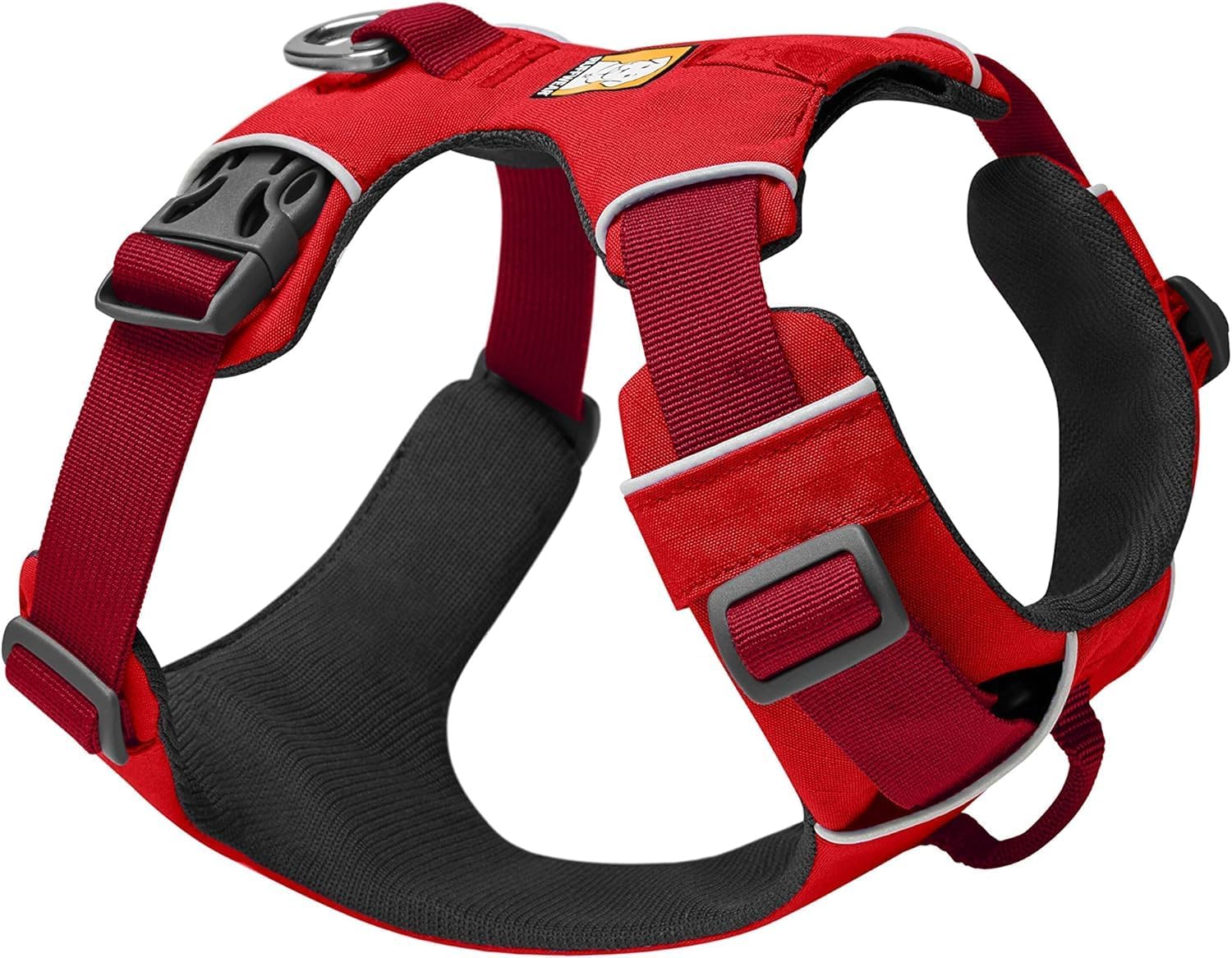
Ruffwear Front Range Harness
We may earn a commission from purchases (at no extra cost to you)

We may earn a commission from purchases (at no extra cost to you)
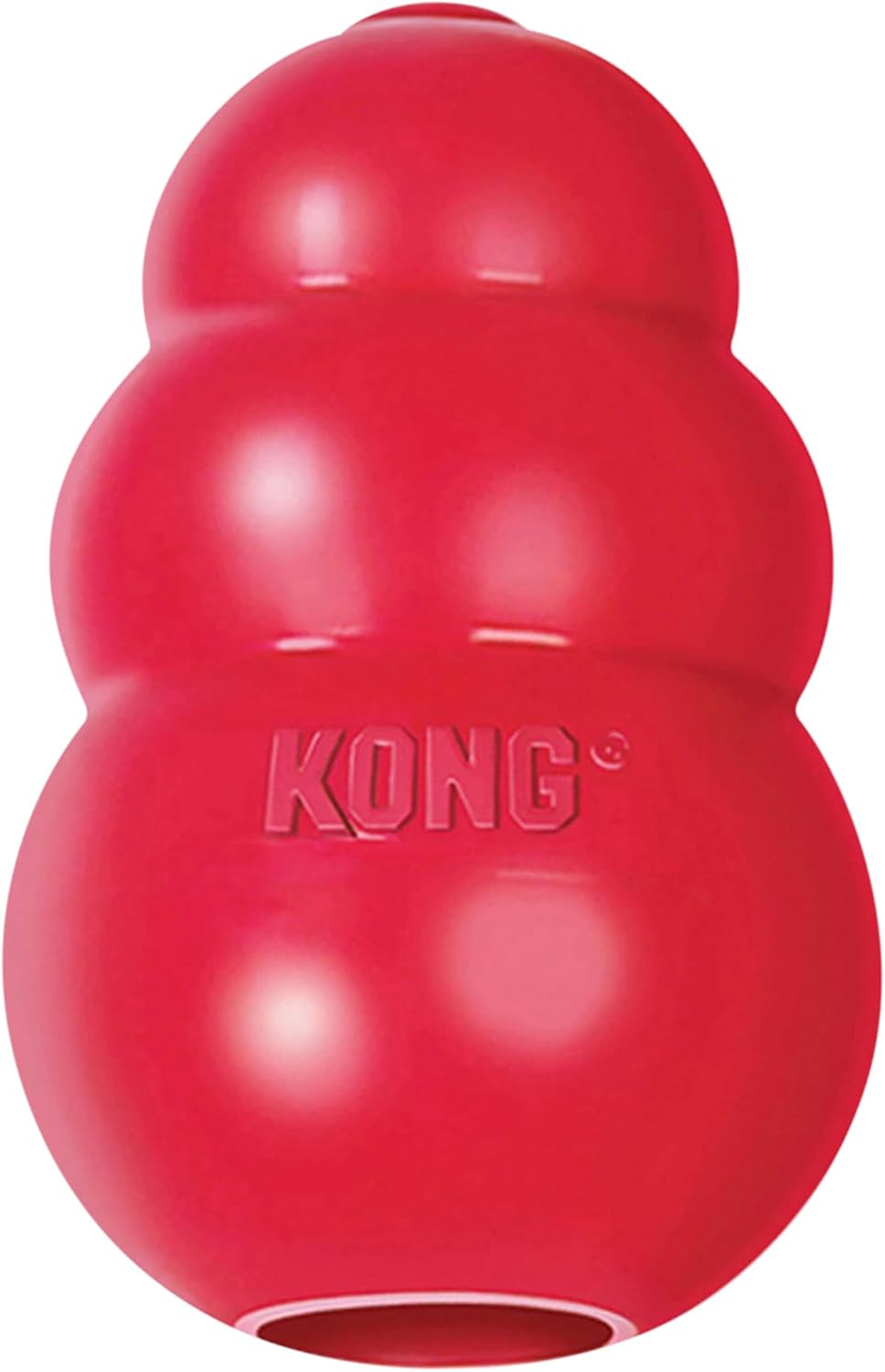
Kong Classic Dog Toy
We may earn a commission from purchases (at no extra cost to you)
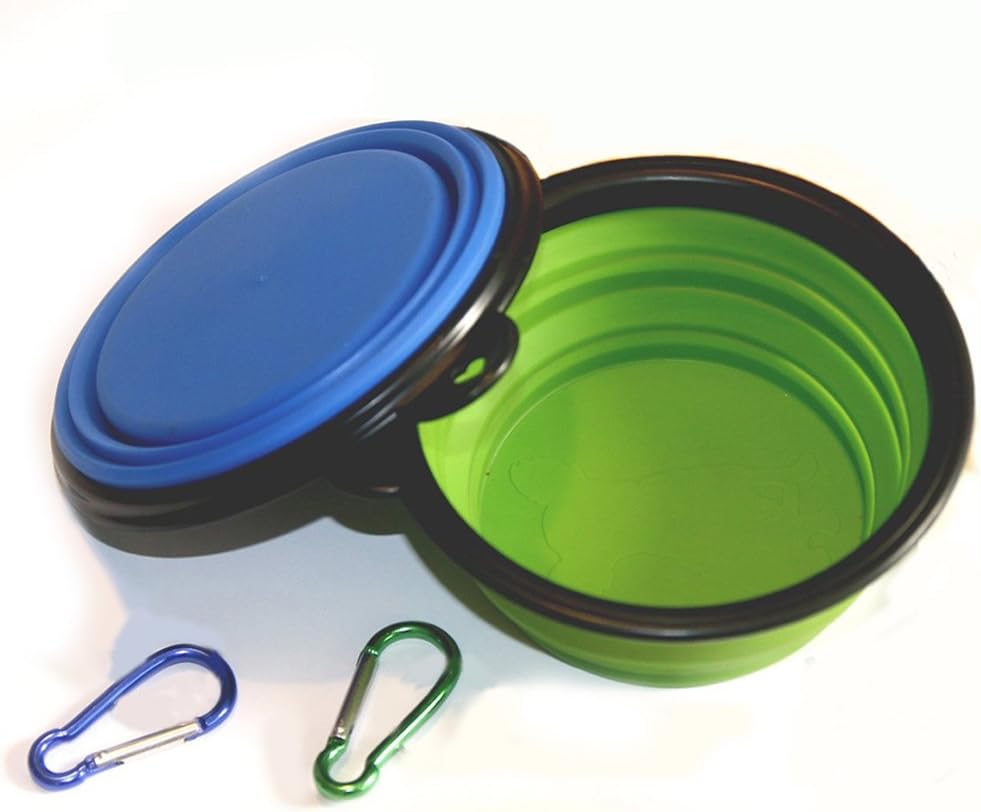
Collapsible Dog Water Bowl
We may earn a commission from purchases (at no extra cost to you)
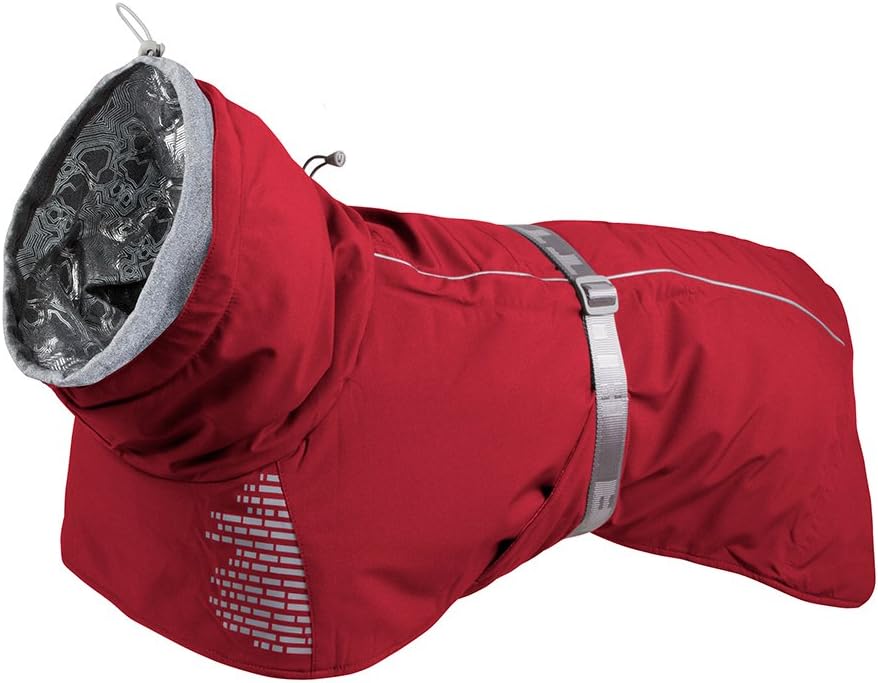
Hurtta Extreme Warmer Dog Coat
We may earn a commission from purchases (at no extra cost to you)
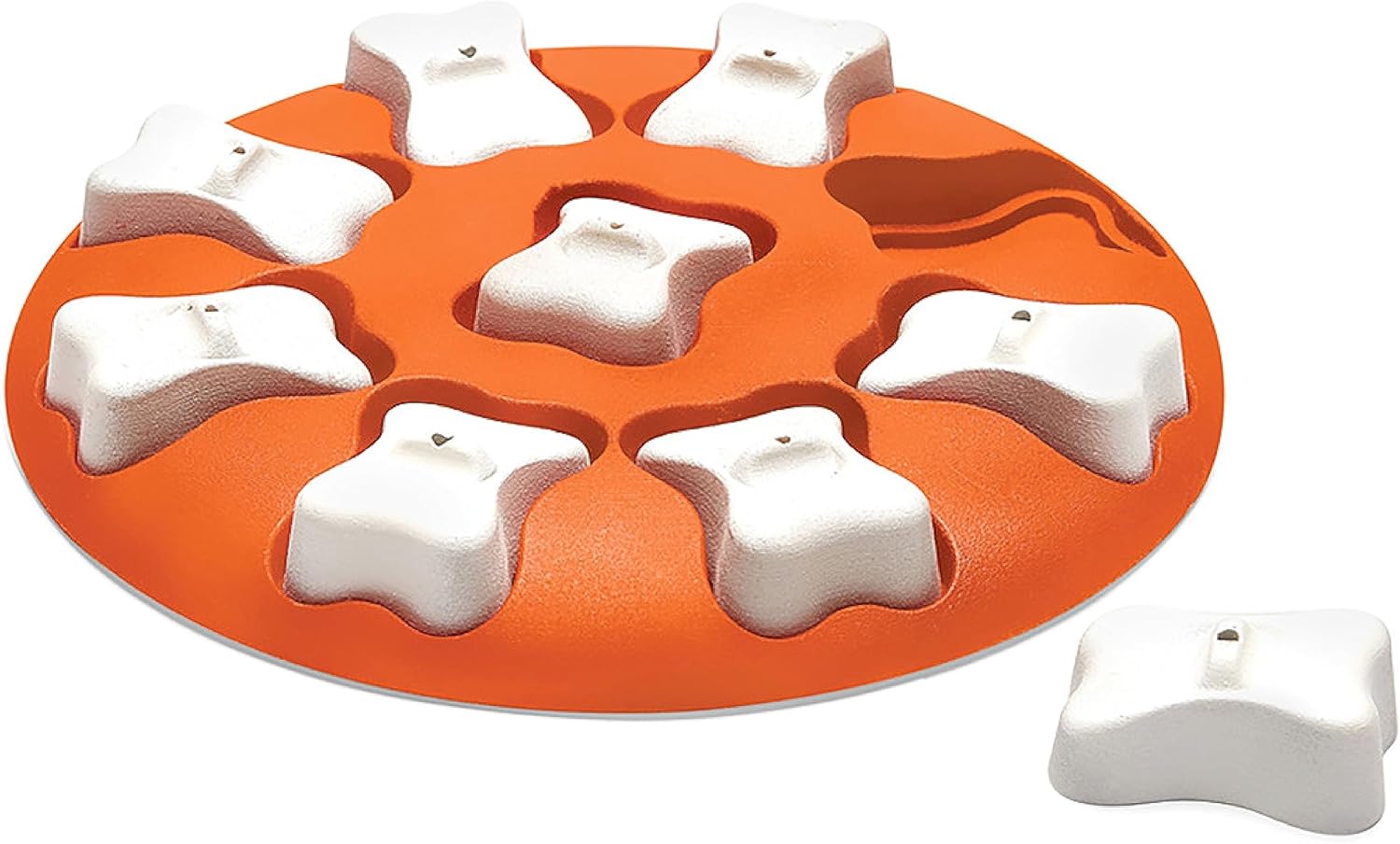
Outward Hound Nina Ottosson Puzzle Toy
We may earn a commission from purchases (at no extra cost to you)
Signs You’re Getting It Right (Or Wrong)
✅ Good signs:
- Healthy weight (can feel ribs with light pressure, visible waist from above)
- Eager for walks but not manic
- Settles calmly after exercise
- Good muscle tone
- Sleeping well at night
- No destructive behaviour at home
- Bright eyes, good coat condition
❌ Under-exercised signs:
- Weight gain
- Destructive behaviour (chewing, digging)
- Hyperactivity indoors
- Poor sleep
- Attention-seeking behaviours
- Excessive barking
Solution: Increase exercise duration gradually. Add mental stimulation. Check diet.
⚠️ Over-exercised signs:
- Excessive panting that doesn’t resolve quickly
- Reluctance to walk
- Limping or stiffness
- Sleeping more than usual (even for a Frenchie)
- Sore paws
- Weight loss despite good appetite
Solution: Reduce duration/intensity. Check for injuries. Consult vet if symptoms persist.
My Actual Routine (Real-World Example)
People always ask what I actually do with Buster and Jago. Here’s the honest answer:
Standard weekday (mild weather, 10-18°C):
6:30 AM: Wake up, immediate toilet break in garden (2 minutes)
6:45 AM: Morning walk (25 minutes)
- Mix of pavement and grass
- They set the pace (usually leisurely)
- Lots of sniffing
- Both poo at least once (glamorous life I lead)
7:15 AM: Breakfast
12:30 PM: Quick garden toilet break (5 minutes)
- Sometimes very short walk if weather nice (10 mins)
- Or training session indoors (10 mins)
6:00 PM: Evening walk (25 minutes)
- Similar to morning
- Maybe slightly longer if they’re enthusiastic
6:45 PM: Dinner
9:30 PM: Final toilet break (5 minutes)
Total structured exercise: 50-60 minutes walking + 10-15 mins training/play
Hot day modifications (20°C+):
- Morning walk: 6:00 AM, 15-20 mins maximum
- Midday: Skip entirely or just garden toilet break
- Evening walk: 9:00 PM or later, 15-20 mins
Cold/wet day modifications:
- Morning walk: 15-20 mins with coats on
- Midday: Indoor puzzle toys/training
- Evening walk: 15-20 mins
Weekend:
- Longer morning walk if weather permits (30-40 mins)
- Maybe a second location (woods, different park)
- More training/play
- Still broken into manageable chunks
Our actual routine: one walk a day, about a mile and a half. Sometimes in the woods, sometimes on the street. They always go together — we’ve tried walking them separately and neither is impressed by the arrangement.
Jago has more energy. Always has. He’d walk all day if you let him (and if the weather cooperated). Buster gives up first — every time. He’s the one who decides when the walk is over, usually by deploying the “Buster Strike”: rolling onto his back in the middle of the pavement and refusing to move. It’s quite the spectacle. Passersby think he’s injured. He’s not. He’s just done.
Apart from walks, the only real exercise they get is the odd random zoomies — you know, those unexplained bursts of insanity where they sprint around the house at 90mph, bouncing off furniture, eyes wild, for approximately 45 seconds before collapsing in a heap and pretending it never happened. Frenchie owners know what I’m talking about.
Common Mistakes (I’ve Made Most of These)
1. Treating All Dogs the Same
What works for your mate’s Labrador won’t work for your Frenchie. Don’t compare.
2. Ignoring Weather
“It’s only 22°C” can genuinely kill a French Bulldog. Take heat seriously.
3. All Exercise in One Go
A single 60-minute walk is worse than three 20-minute walks for Frenchies. They can’t sustain long activity.
4. Exercising on a Full Stomach
Wait at least 30 minutes after eating before exercise. Bloat risk is real.
5. Assuming Tired = Healthy
A Frenchie panting heavily and exhausted isn’t “getting fit”—they might be in distress. Know the difference between healthy tiredness and dangerous exhaustion.
6. Skipping Exercise Completely
“They’re lazy anyway” is not a reason to skip walks. They need daily exercise for physical and mental health.
7. Puppy Over-Exercise
“Wearing them out” by excessive walking damages developing joints. Puppies need LESS exercise than adults.
Exercise and Weight Management
French Bulldogs are prone to obesity. Exercise alone won’t keep them slim—diet is 80% of the equation.
Weight management formula:
- Appropriate exercise (30-45 mins daily for adults)
- Portion-controlled meals (weigh their food, don’t free-feed)
- Limited treats (under 10% of daily calories)
- Regular weigh-ins (monthly minimum)
Healthy adult Frenchie weight: 10-14kg depending on build
- Can feel ribs with light pressure (not visible, not buried in fat)
- Visible waist when viewed from above
- Tuck-up under belly when viewed from side
If your Frenchie is overweight:
- Vet check (rule out medical causes)
- Reduce food portions by 10-15%
- Increase exercise gradually (don’t suddenly do marathon walks)
- Cut treat calories
- Weigh weekly, adjust plan accordingly
Jago put on weight last winter. I reduced his dinner by 20g and added 10 minutes to morning walks. Took three months, but he’s back to healthy weight now.
The Mental Health Factor
Exercise isn’t just physical—it’s essential for mental wellbeing.
Benefits of proper exercise:
- Reduces anxiety (including separation anxiety—see our separation anxiety guide)
- Prevents boredom-related destruction
- Improves sleep quality
- Provides mental stimulation (new smells, sights, experiences)
- Strengthens your bond
- Gives them a “job” (walking with you, exploring, protecting you)
Under-exercised Frenchies are miserable Frenchies. They might not demand walks like a Border Collie, but they need them.
FAQ: Quick Answers
Q: Can French Bulldogs go on long walks? A: Not really. 30-45 minutes total per day is ideal, broken into shorter sessions. They’re not built for endurance.
Q: Do Frenchies need exercise every day? A: Yes. Daily exercise is essential for physical and mental health. Adjust for weather and health status.
Q: Can I take my Frenchie running? A: No. Running is too strenuous for brachycephalic breeds. Risk of overheating, breathing difficulties, and joint damage.
Q: How much exercise does a French Bulldog puppy need? A: 5 minutes per month of age, twice daily. So a 4-month-old puppy needs 20 minutes, twice a day.
Q: What temperature is too hot for French Bulldog exercise? A: Above 18°C requires caution. Above 20°C, only walk early morning/late evening. Above 25°C is dangerous even with precautions.
Q: Can I skip walks if it’s raining? A: You can shorten walks and compensate with indoor mental stimulation (training, puzzle toys). But they still need some outdoor time for toileting.
Q: My Frenchie sits down during walks—are they tired? A: Possibly. Or too hot. Or sore. Or stubborn. If it’s persistent, check weather, check their paws, and consider a vet visit.
The Bottom Line
French Bulldogs need moderate daily exercise—30-45 minutes for adults, less for puppies and seniors—adjusted for weather, health, and individual capacity.
They’re not marathon runners. They’re not lazy couch potatoes either (despite appearances). They’re compact, affectionate companion dogs who benefit enormously from structured daily activity.
Get it right, and you’ll have a healthy-weight Frenchie with good muscle tone, mental stimulation, and a proper outlet for their energy.
Get it wrong—either too much or too little—and you’ll have health problems, behavioural issues, or worse.
Buster and Jago might grumble about the early alarm for morning walks. They might stage protests when it’s raining. They might plonk their arses down halfway home because they’ve decided they’re done.
But they also perk up when they hear the lead jingle. They wiggle with excitement at the door. They sniff every lamppost like they’re reading the morning newspaper. And they sleep contentedly after a good walk.
That’s how you know you’re getting it right.
Now get your harness, check the weather forecast, and take your Frenchie for a sensible, well-timed, appropriately-lengthed walk. They’ll thank you for it.
Well, Jago won’t. But Buster might give you a dignified nod of approval.
Related guides:
- our harness guide - Choosing the right walking gear
- our cooling vest guide - Hot weather safety
- our guide on French Bulldogs and swimming - Swimming safety (or why not to)
- the best toys for French Bulldogs - Mental stimulation alternatives
Disclaimer: This guide is based on personal experience and veterinary advice. Individual Frenchies may have different needs based on health conditions. Always consult your vet if you’re concerned about your dog’s exercise tolerance or health.